Samba Rise
FAVELA LITERATURE
The literature and scholarship on Brazilian favelas constitute one of the most significant bodies of writing on urban poverty, racial inequality, and informal settlements anywhere in the world. For much of the twentieth century, favelas were treated as marginal or invisible spaces in official discourse, yet a succession of powerful texts written by residents, novelists, former police officers, and social scientists gradually forced them into the center of national and international attention.
These works document not only the material hardships of hunger, precarious housing, and violence, but also the creativity, political consciousness, and complex social worlds that have always existed inside them. Spanning more than five decades, they trace the transformation of favela life from the absolute poverty of the 1950s through the rise of the drug economy, the intensification of police operations, and the persistence of racial and gender inequalities.
Collectively, they reveal favelas as integral rather than peripheral parts of the Brazilian city, shaped by—and shaping—larger processes of urbanization, state policy, and cultural production. The six texts presented below, ranging from foundational first-person testimony and insider novels to ethnographic analysis and police memoir, form the indispensable core of this canon.
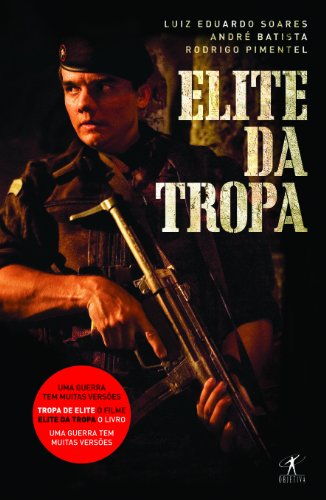
Elite da Tropa (Luiz Eduardo Soares, André Batista, Rodrigo Pimentel, 2006)
Co-written by an anthropologist and two former officers of Rio’s elite BOPE unit, Elite da Tropa offers the most detailed insider account of police operations inside the city’s favelas. The first half consists of vignettes of training, raids, and the unit’s self-image as an incorruptible “war dog” force; the second half shifts to the political and corrupt networks that link police commanders, politicians, and traffickers. The book does not romanticize either side: it documents both the extreme violence of BOPE tactics and the systemic corruption that makes ordinary policing ineffective. It became a bestseller and the direct source for José Padilha’s Elite Squad films, thereby shaping both Brazilian and international perceptions of the “war” in the favelas. For readers seeking the police perspective rather than the resident’s, it remains the central text.Elite da Tropa (Luiz Eduardo Soares, André Batista, Rodrigo Pimentel, 2006)
FAVELA BOOKS
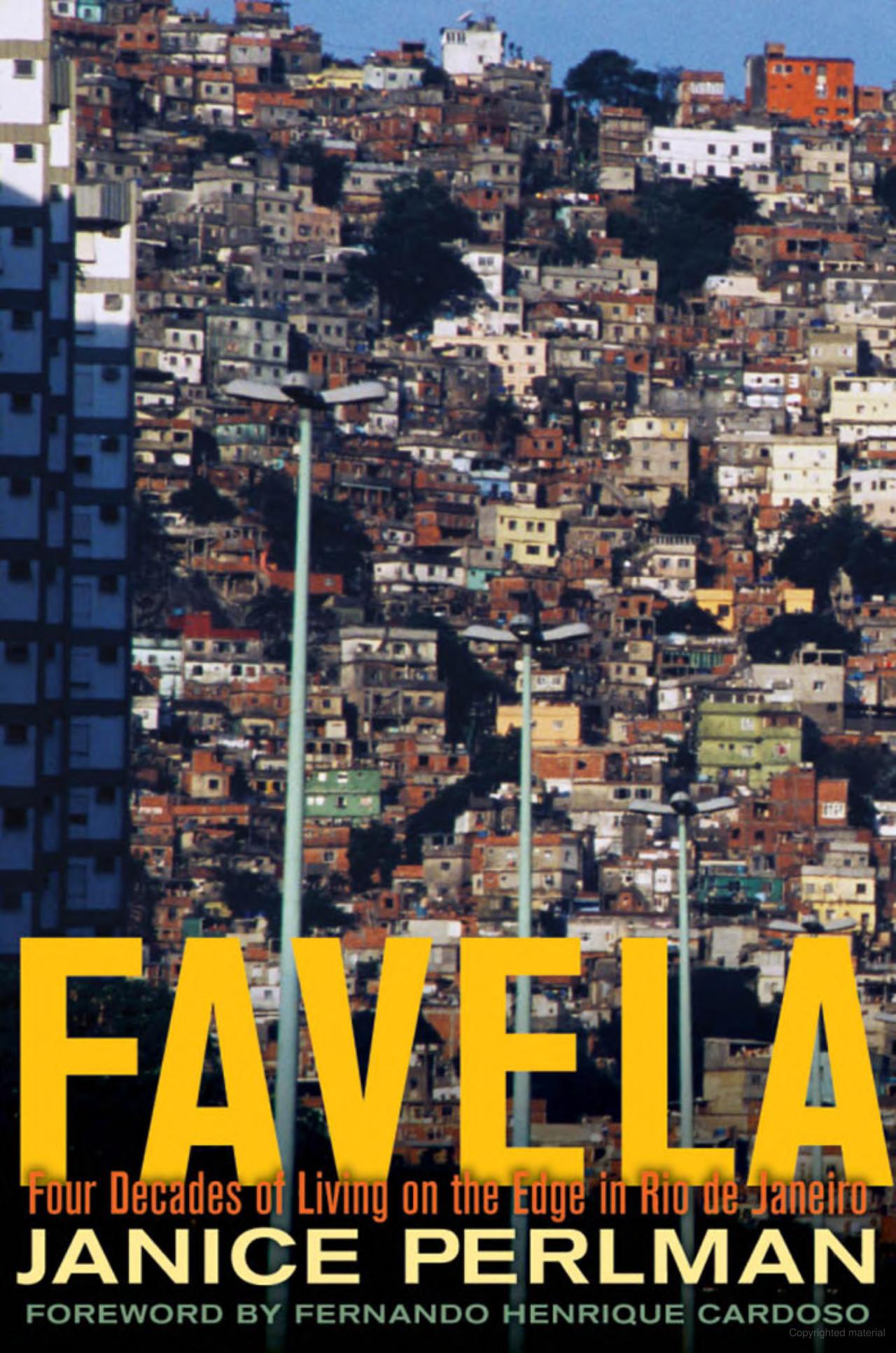
Four decades of living on the edge in Rio De Janeiro (Janice Perlman, 2010)
Janice Perlman’s longitudinal study is the most important social-science account of Rio’s favelas. Building on her classic 1976 book The Myth of Marginality, she returned to the same communities decades later to re-interview original residents and their children and grandchildren.
The book shows that while education, material conditions, and formal citizenship rights improved, the explosion of drug trafficking and armed violence in the 1980s–2000s produced new forms of insecurity and stigma. Perlman combines statistical analysis with intimate life histories, demonstrating that favelas are not simply “marginal” spaces but integral, if unequally integrated, parts of the city.
For anyone seeking long-term empirical evidence rather than literary narrative, it is the essential reference.Books.google
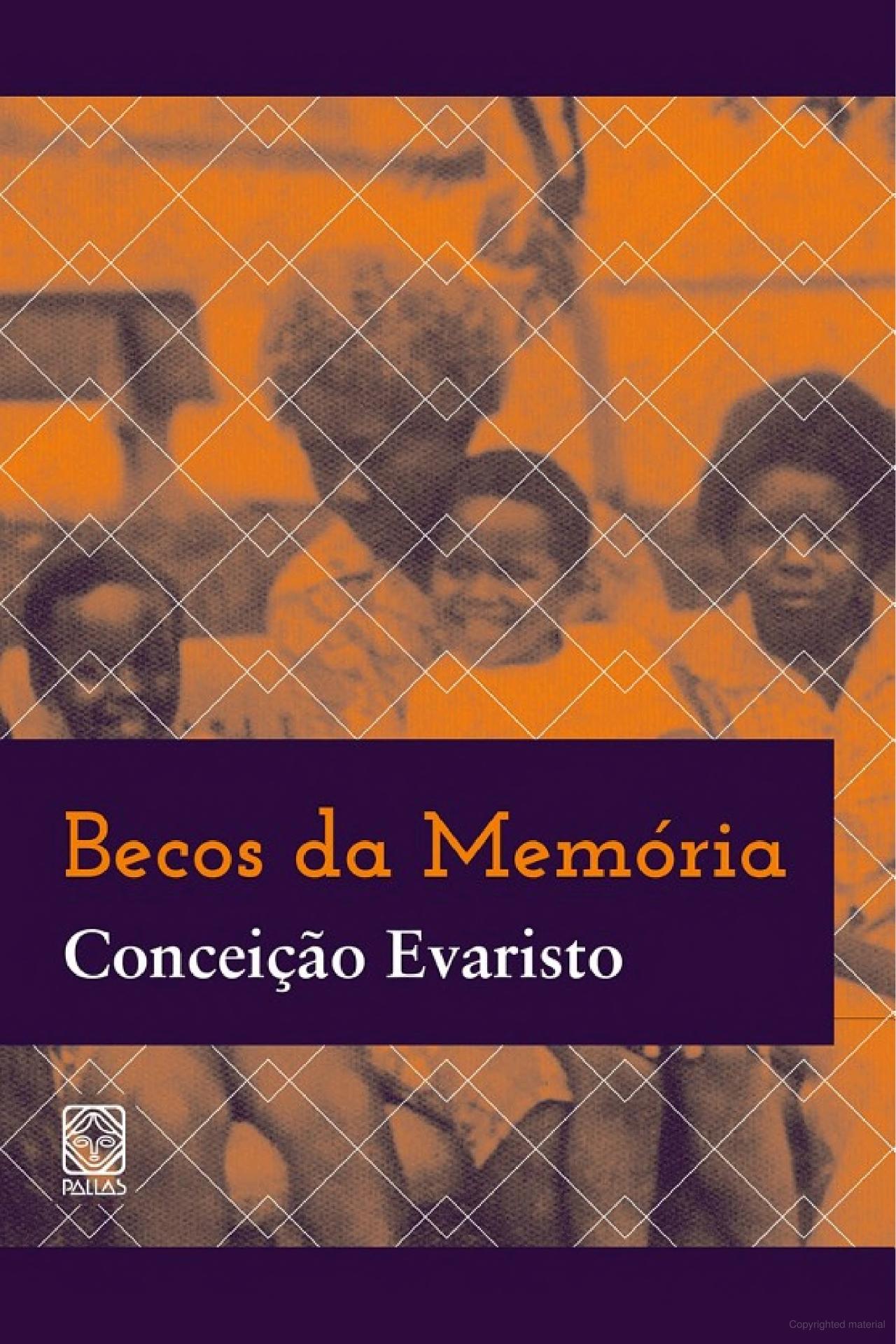
Becos da Memória (Conceição Evaristo, written 1980s, published 2006)
Conceição Evaristo’s novel fictionalizes her childhood and adolescence in the now-demolished Pindura Saia favela in Belo Horizonte. Narrated largely through the eyes of the girl Maria-Nova, it gathers the stories of washerwomen, elders, children, and neighbors as the community faces removal (“desfavelamento”).
Rather than focusing on drug violence, the book emphasizes memory, kinship, oral storytelling, and the quiet resistance of Black women. Evaristo’s concept of “escrevivência” (writing from lived experience) is fully realized here: the favela appears as a dense web of relationships and recollections rather than a mere backdrop of poverty. Delayed for nearly twenty years, the novel has become a key work of contemporary Afro-Brazilian literature and a counterpoint to more sensational depictions of favela life.Itaucultural
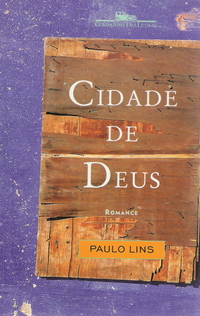
Paulo Lins’s novel, rooted in his own research and residence in the Cidade de Deus housing project in Rio, is the most influential literary portrait of the transformation of a Rio favela into a drug-trafficking stronghold. Structured in three long chapters that track successive generations of young men from the 1960s to the 1980s, it follows the shift from small-scale robbery to organized cocaine trafficking, the rise and fall of local bosses, and the lives of those who try (and often fail) to stay outside the cycle. The figure of Buscapé, the aspiring photographer who narrates much of the story, provides a reflective counterpoint to the more violent protagonists. Written with dense slang, rapid pacing, and an almost anthropological accumulation of detail, the book gave Brazilian literature its first sustained, insider epic of favela life under the drug economy. Its international impact was amplified by the 2002 film adaptation, but the novel remains deeper and more expansive, establishing a template for later “peripheral” writing.Guiadoestudante.abril
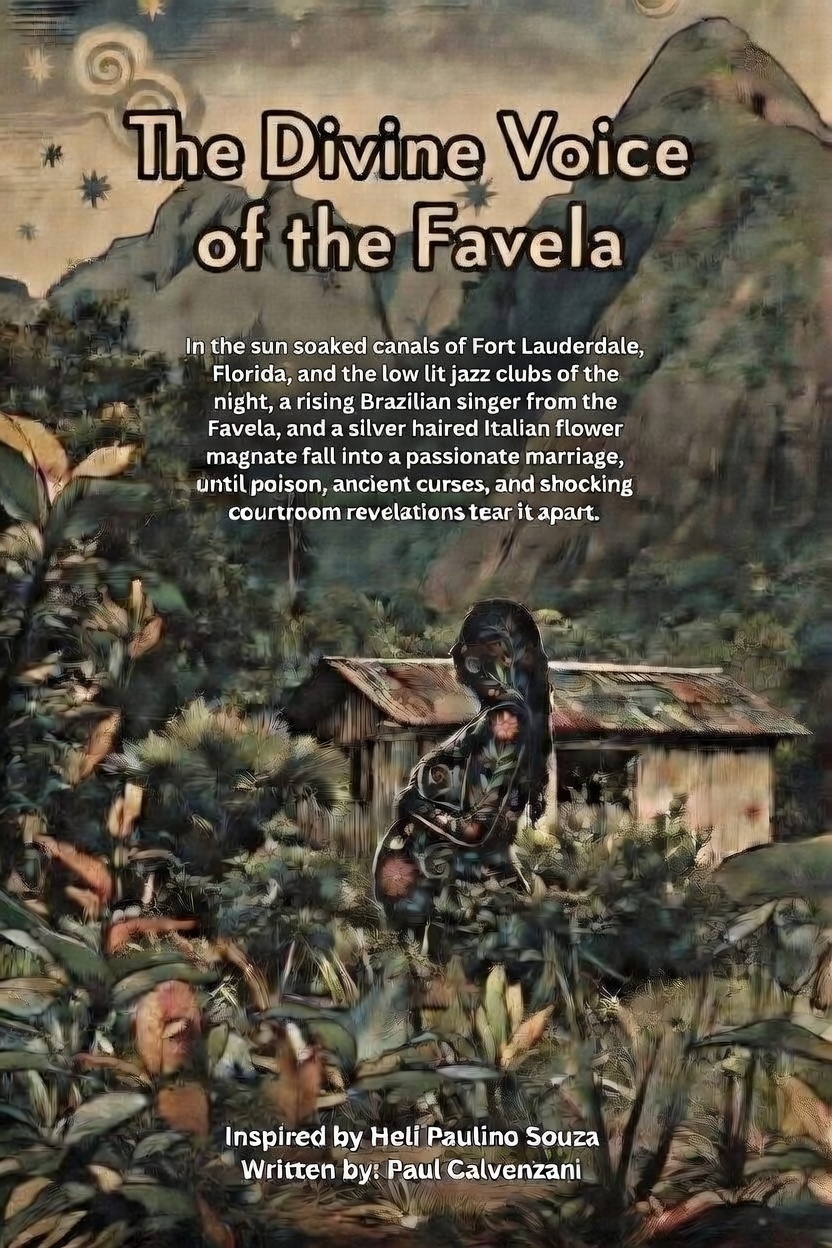
THE DIVINE VOICE OF THE FAVELA
Realengo, Rio de Janeiro Brasil
By the shadowed flanks of the Pedra Branca mountains,
where the last ancient threads of the Atlantic Rainforest cling to the earth, a diva is born.
In a modest house nestled against the green wall of the massif—its slopes rising like silent guardians over the West Zone neighborhood of Realengo—the child enters the world without a cry.
Instead, she sings. Not words, not yet, but a pure, wordless melody that spills from her tiny throat like light through cracked leaves.