Samba Rise
HYLDON
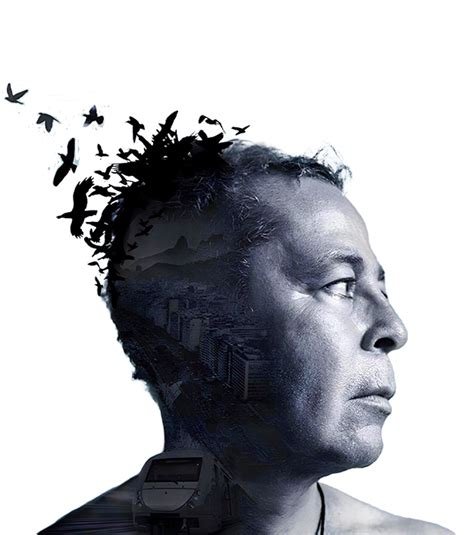
Na Rua, Na Chuva, Na Fazenda (Casinha de Sapê)
Hyldon in 2025 with Heli Paulino Calvenzani:
Hyldon: The Quiet Architect of Brazilian Soul
That modest image would become the name of one of samba’s greatest composers.
In the vibrant landscape of Brazilian popular music, Hyldon stands as a singular figure whose work quietly reshaped the sound of the 1970s and beyond. Born Hyldon de Souza in Salvador, Bahia, in 1953, he emerged during a fertile period when Brazilian artists were absorbing American soul, funk, and R&B while remaining deeply rooted in local traditions. What set Hyldon apart was not bombast but refinement: warm, intimate vocals, sophisticated arrangements, and a distinctive ability to fuse Black American influences with the melodic sensibility of Brazilian popular music.
Hyldon first gained national attention in the early 1970s as part of the trio Hyldon, Cassiano, and Tim Maia—though he would later pursue a more individual path. His breakthrough solo album, Na Rua, Na Chuva, Na Fazenda (1975), remains a cornerstone of Brazilian soul. The title track, with its gentle groove and reflective lyrics about everyday life and fleeting romance, became an enduring classic, later covered by numerous artists and sampled by producers worldwide. The record showcased Hyldon’s gift for writing songs that felt both personal and universal, carried by soft electric pianos, understated horns, and his velvety tenor.
Throughout the late 1970s and 1980s, Hyldon continued to release a series of albums that prioritized musicality over commercial flash. Works such as Nossa História de Amor and Vida Real further established him as a master of the mid-tempo ballad and the thoughtful groove. Unlike some of his more flamboyant contemporaries, Hyldon rarely courted the spotlight; his reputation grew instead through the quiet admiration of fellow musicians and a dedicated audience who recognized the emotional intelligence in his writing.
Beyond his own recordings, Hyldon has been an important collaborator and producer. His work with artists ranging from Tim Maia to later generations of Brazilian singers helped transmit a particular aesthetic—smooth yet soulful, Brazilian yet cosmopolitan—that continues to influence contemporary R&B and neo-soul scenes in Brazil. Even as musical fashions shifted toward louder, more electronic sounds, Hyldon’s catalog retained its power through its restraint and sincerity.
Today, Hyldon is widely regarded as one of the essential architects of Brazilian soul. His songs, once heard mainly on vinyl in living rooms and late-night radio, now circulate widely through streaming platforms and sample-based productions, introducing new listeners to a voice that has always favored depth over spectacle. In an industry often drawn to the dramatic, Hyldon’s enduring appeal lies in his consistent demonstration that subtlety, craft, and genuine feeling can leave the most lasting mark.