Samba Rise
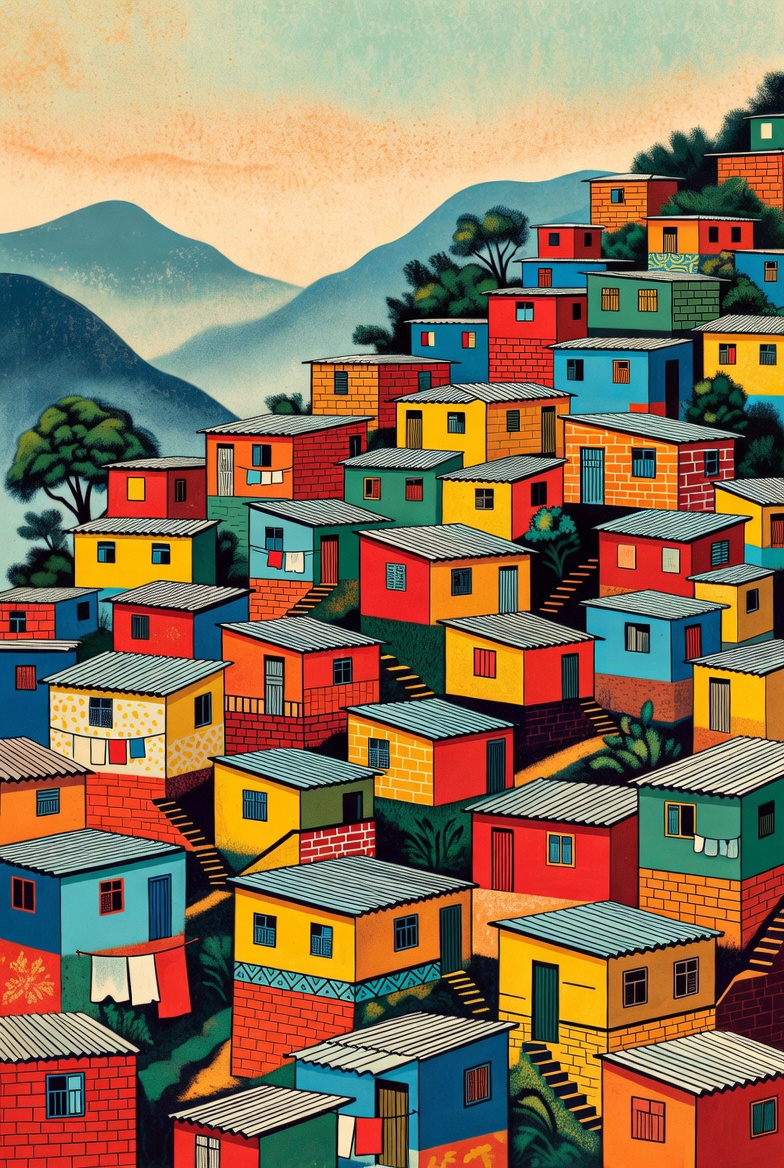
SAMBA & THE FAVELA
Samba Rise is a home for rhythm, memory, and the creative force of the Brazilian favela.
If you love Brazilian music, art, and literature, you already know that culture does not appear out of nowhere.
It grows in real neighborhoods, through real struggle, real joy, and real people.
The favela is not just a backdrop in a postcard view of Rio or another city. It is a living community, full of history, invention, and pulse.
To understand samba, you have to walk toward the hillside, listen to the drums, and hear how everyday life became music.
The story of the Brazilian favela begins in the late nineteenth century, especially after formerly enslaved people and poor workers moved into informal settlements in growing cities.
These communities were often built with limited state support and faced neglect, inequality, and stigma. Yet they also became places of resilience and belonging. Families built homes, neighbors built networks, and culture built identity.
That mix of hardship and creative survival shaped the social world where samba would later rise and travel far beyond the narrow streets where it was first nurtured.
Samba music did not come from a single person, one magic drum, or a lightning bolt from the sky. It emerged from Afro-Brazilian traditions, especially those carried by Black communities from Bahia and other regions into Rio de Janeiro.
In courtyards, gatherings, religious spaces, and parties, rhythms mixed with dance, call-and-response singing, and percussion.
Over time, those practices took root in working-class neighborhoods and the Brazilian favela, where community celebration and cultural resistance often went hand in hand. If music had a birthplace with a heartbeat, this was it.
Samba Music grew because people made space for it, even when official society looked down on both the music and the people playing it.
Early samba was tied to backyard rodas, neighborhood parties, and local composers who turned daily life into poetry. The beat was social before it was commercial.
It brought people together to dance, laugh, flirt, remember, and endure. Long before samba became a national symbol, it was a community language. In that sense, samba was doing social networking before the internet even learned to walk.
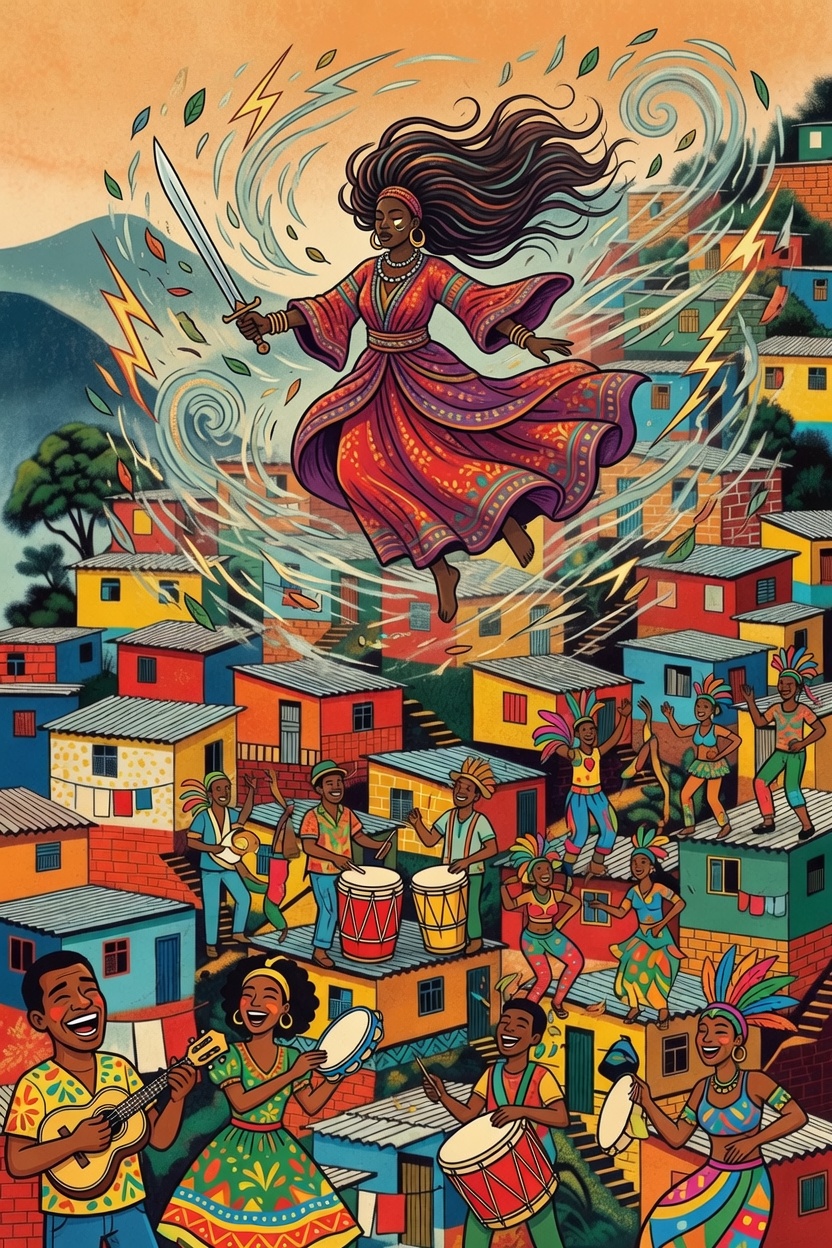
Art, Survival, and the Sound of Community
To reduce a Brazilian favela to poverty alone is to miss its cultural power. Favelas have long been centers of artistic expression, where music, murals, fashion, dance, and spoken language all reflect local experience. Creativity there is not some side hobby added after work. It is often part of how people name their reality and claim dignity within it. That is why the favela matters so much to Brazil’s cultural identity. It is a place where art does not ask for permission to exist.
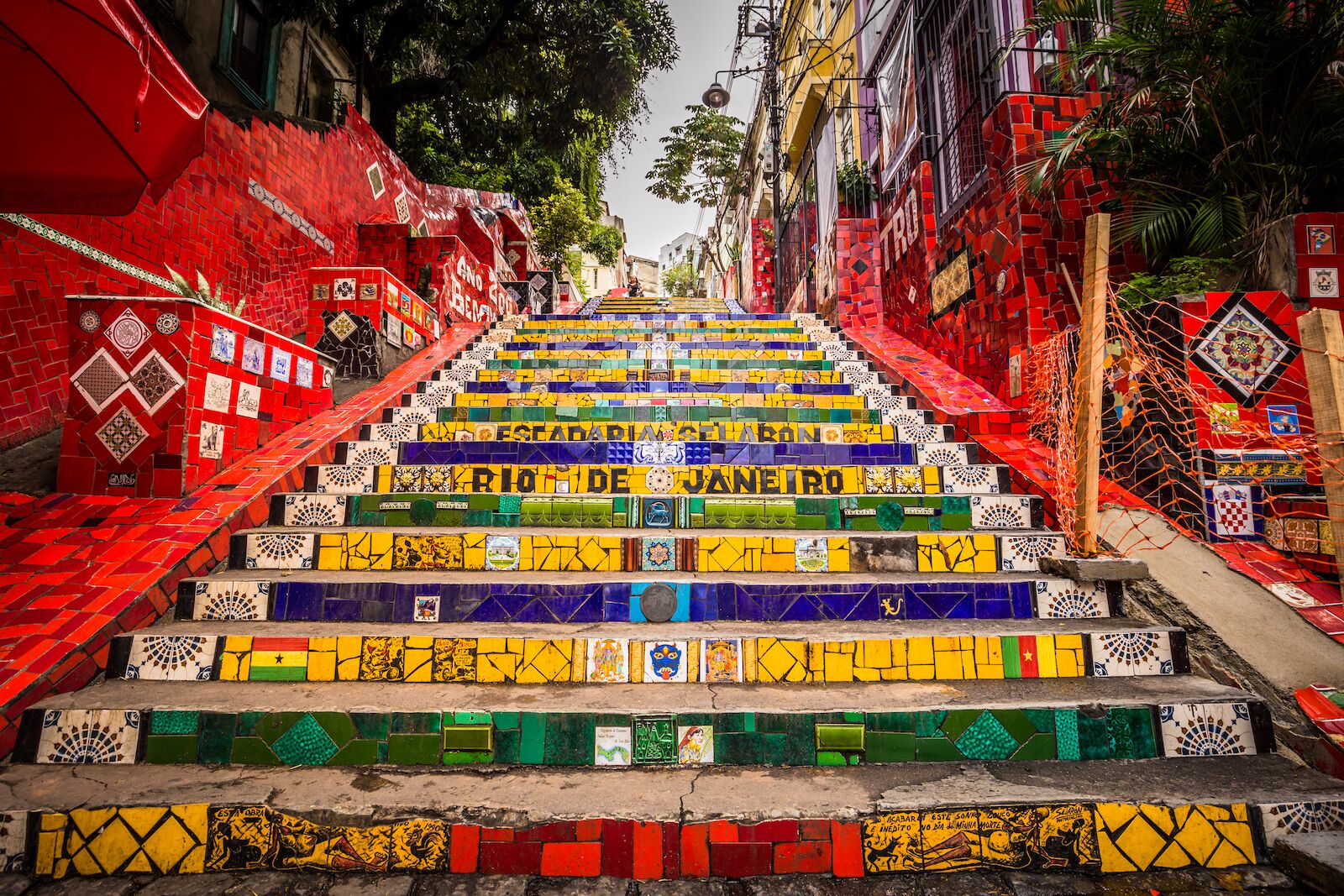
Art from the Brazilian favela also lives on walls, in photographs, in dance steps, and in the visual imagination of whole neighborhoods. Community art projects, graffiti, and local performances often challenge stereotypes by showing daily beauty, humor, and strength. A painted staircase, a rehearsal space, or a drum circle can become a cultural landmark. These expressions matter because they reveal what statistics often cannot: affection, memory, and pride. For many visitors and readers, this is where the feeling begins—*I love the favela inspirational stories*—because they show people creating meaning under pressure.
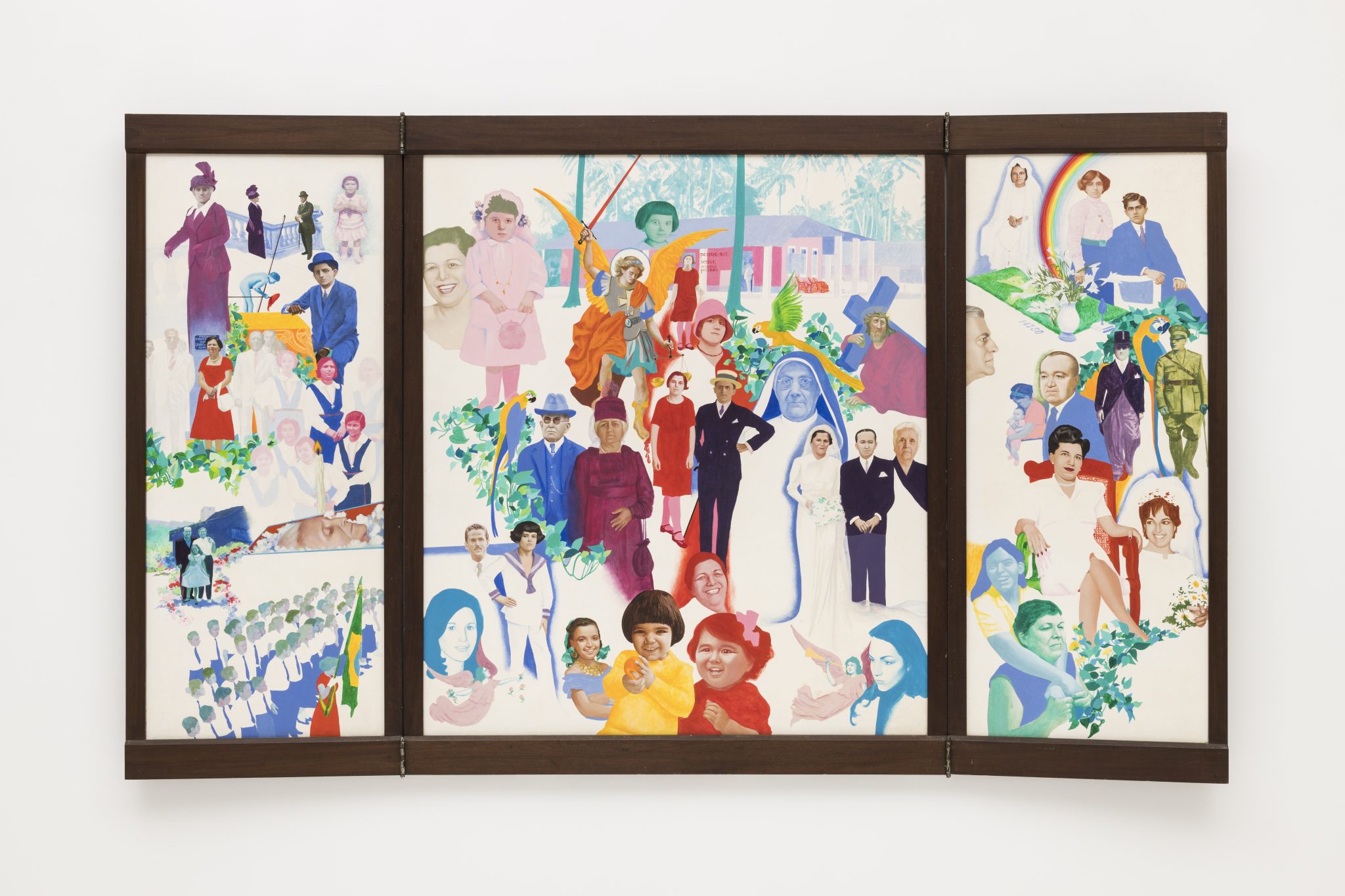
FAVELA LITERURE
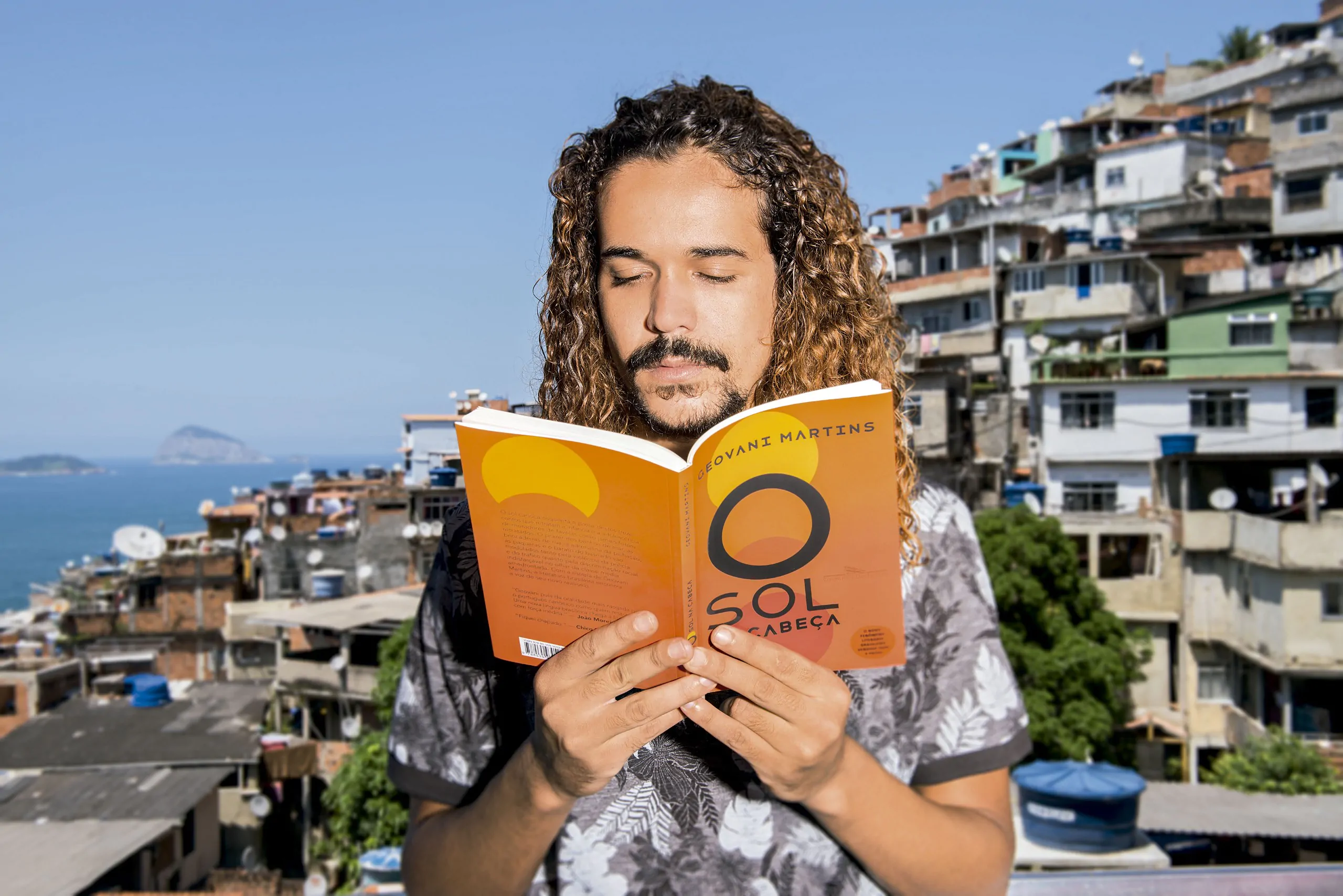
O sol na cabeça
Geovani Martins Foto | Pedro Garrido/CLAUDIA
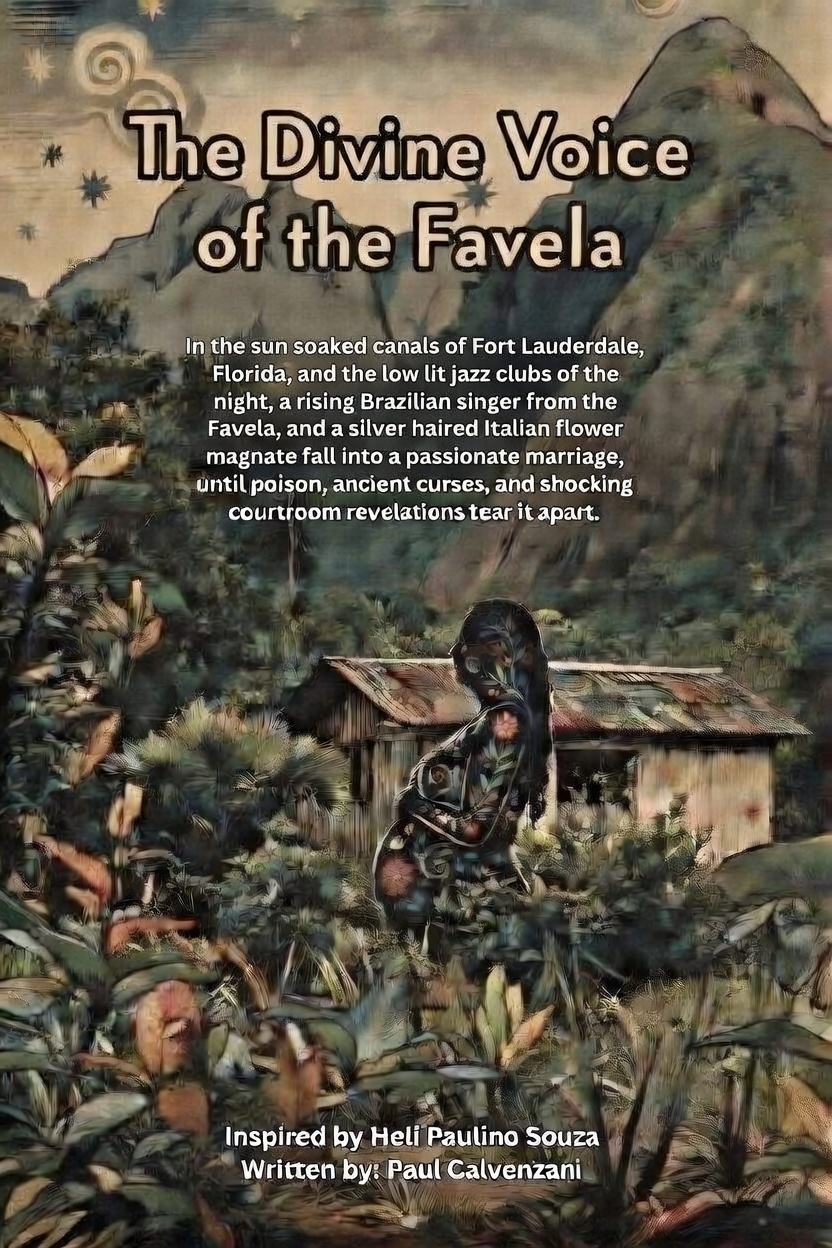
Literature adds another layer. Writers connected to favela life, whether through memoir, fiction, poetry, or testimony, have helped bring these communities into national and global conversations. Their work often explores inequality, race, migration, family, violence, hope, and humor with striking honesty. The Brazilian favela in literature is not a flat symbol. It is a complex world with voices that deserve to be heard on their own terms. On Samba Rise, that matters deeply, because the same spirit that sings in samba also speaks on the page.
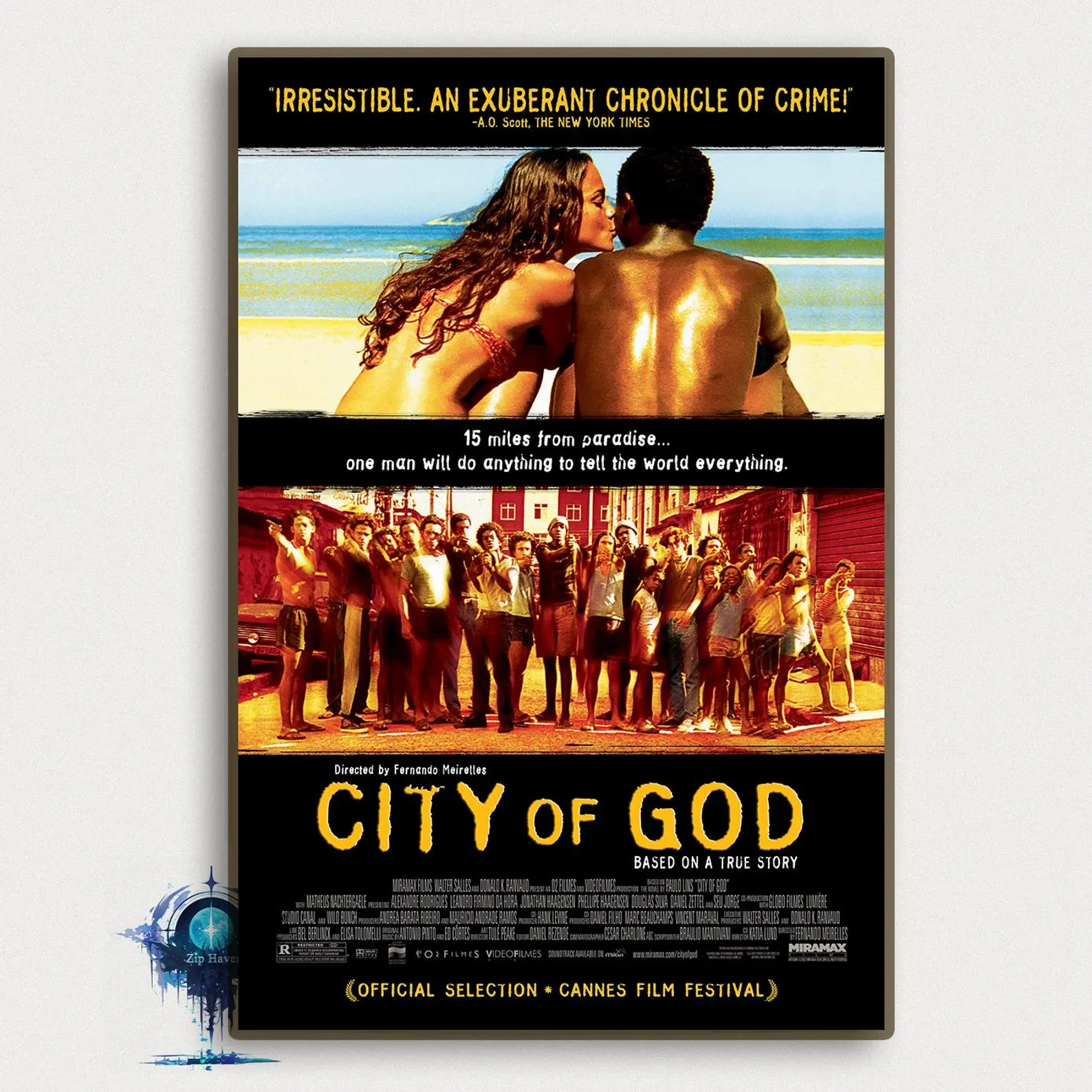
FAVELA CINEMA
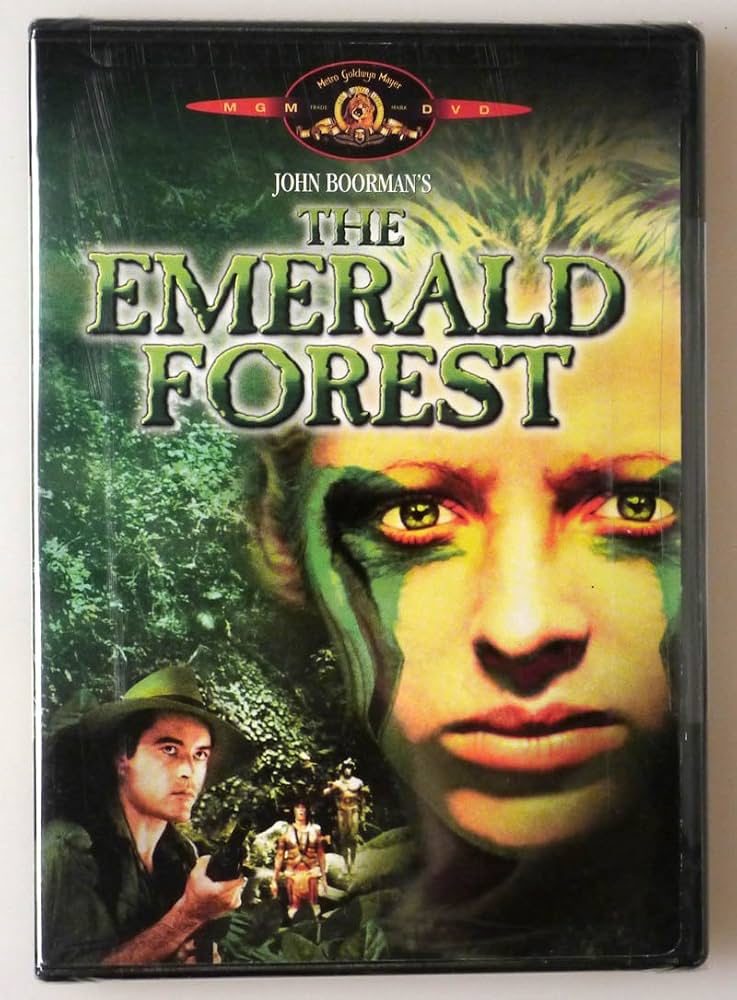
Cinema has also played a major role in shaping how people imagine the Brazilian favela. Films and documentaries have introduced global audiences to its realities, but they have also raised important questions about representation. Who gets to tell the story? What gets highlighted: violence, vitality, or both? The best work does more than shock. It gives context, character, and humanity. As this site grows, our pages on movies will explore not just famous titles, but also how film intersects with music, class, race, and cultural memory.
Why Samba Rise Starts Here
This homepage begins with the Brazilian favela because samba cannot be separated from the communities that shaped it. The rhythm, the syncopation, the collective energy, the lyrical wit—none of that floats in empty space. It comes from lived experience. Samba rose through gatherings, through Black cultural traditions, through neighborhood celebration, and through people who insisted on joy even when life was hard. That is not a side note in history. That is the main beat.
On Samba Rise, we will follow that beat into deeper stories about Samba Music, musicians, composers, instruments, and the social worlds around them. We will also explore visual art, literature, and film to show how favela culture connects across forms. Think of this page as the opening drum call. The other pages will be the full roda: more voices, more history, more movement. If you came here because you love rhythm, images, and words, you are in exactly the right place.
It is also important to approach the Brazilian favela with respect, not romance and not fear. These communities have faced serious inequality, discrimination, and state neglect. At the same time, they have produced some of Brazil’s most influential cultural contributions. Both truths belong in the conversation. To honor samba honestly, we must honor the people, histories, and neighborhoods that carried it forward. Culture sounds better when we listen carefully.
So welcome to Samba Rise, where the path into Brazilian music begins in the places that helped give it life. Here, the Brazilian favela is not treated as a footnote, but as a source of sound, style, and story. From samba to art, from literature to movies, this site is an invitation to learn how culture rises from community. Stay curious, keep the rhythm close, and explore the pages ahead. After all, every great samba starts with a beat—and a place that dared to make it heard.
USA Address:
2787 East Oakland Park Blvd
Suite 307
Fort Lauderdale Fl. 33306
"Copyright" 2023 Paul Calvenzani
"All Rights Reserved"