Favela and Periphery Music
Favela and periphery music is mostly two lineages: funk carioca from Rio’s hills and bailes, and rap from São Paulo’s outskirts.
These are the people who carried it out.
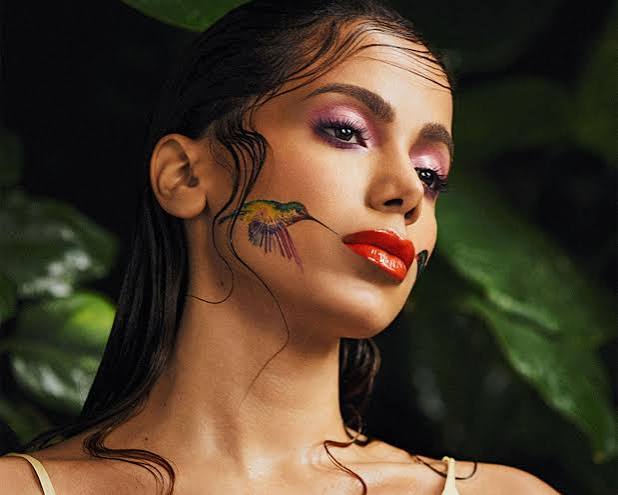
Anitta: "Eu era da favela sim, era pobre sim e faço o que tenho vontade."
(I was from the favela, yes. I was poor, yes. And I do what I want.)
MC CABELINHO
MC Cabelinho, from Rio’s Zona Norte, is the current voice of favela pride in rap and trap. “Favela Venceu,” with MC Hariel, is the anthem of that generation: the struggle ends, the doors open, the hill wins.
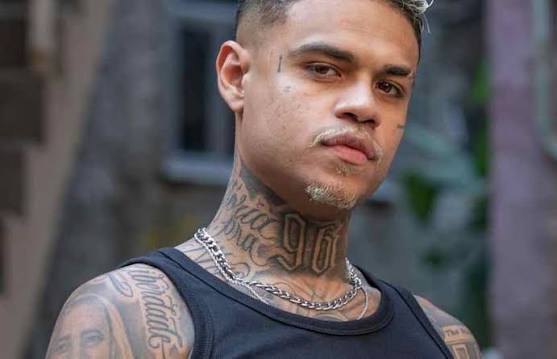
"Olha aí a favela no auge. Te falei que esse sufoco um dia acabaria. Nós driblou toda essa falta de oportunidade. Conseguimo!"
"Look at the favela in its prime. I told you this struggle would end one day.
We overcame all this lack of opportunity. We did it!"
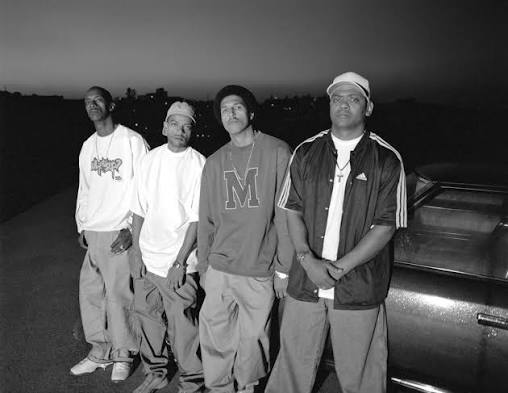
Racionais MC’s (Mano Brown, Ice Blue, Edi Rock, KL Jay) are the most influential group to come out of Brazil’s poor neighborhoods. Formed in the late 1980s in São Paulo’s periphery, they turned police violence, prison, and racism into national classics — “Diário de um Detento,” Sobrevivendo no Inferno, “Vida Loka.” They are often called Brazil’s Public Enemy.
Anitta grew up poor in Honório Gurgel, a working-class part of Rio, and started on the Furacão 2000 funk circuit. She is the artist who took favela funk onto global pop stages: “Show das Poderosas,” “Envolver,” and the album Funk Generation. She is not the first woman in funk, but she is the one who made the sound travel.
ANNITA
LUDMILLA
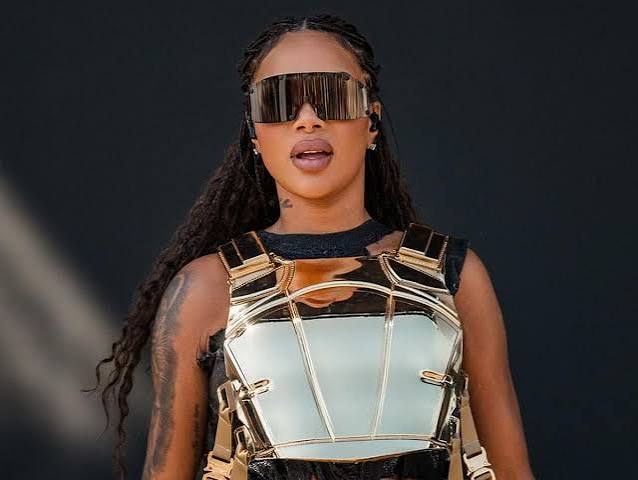
Ludmilla, from Duque de Caxias on Rio’s edge, started as MC Beyoncé and became known as the Queen of the Favela. She crossed funk, pagode, and pop, played Coachella, and is one of the clearest examples of a periphery artist owning the mainstream without dropping the beat.
USA Address:
2787 East Oakland Park Blvd
Suite 307
Fort Lauderdale Fl. 33306
"Copyright" 2023 Paul Calvenzani
"All Rights Reserved"