Samba Rise
BRAZILIAN CINEMA
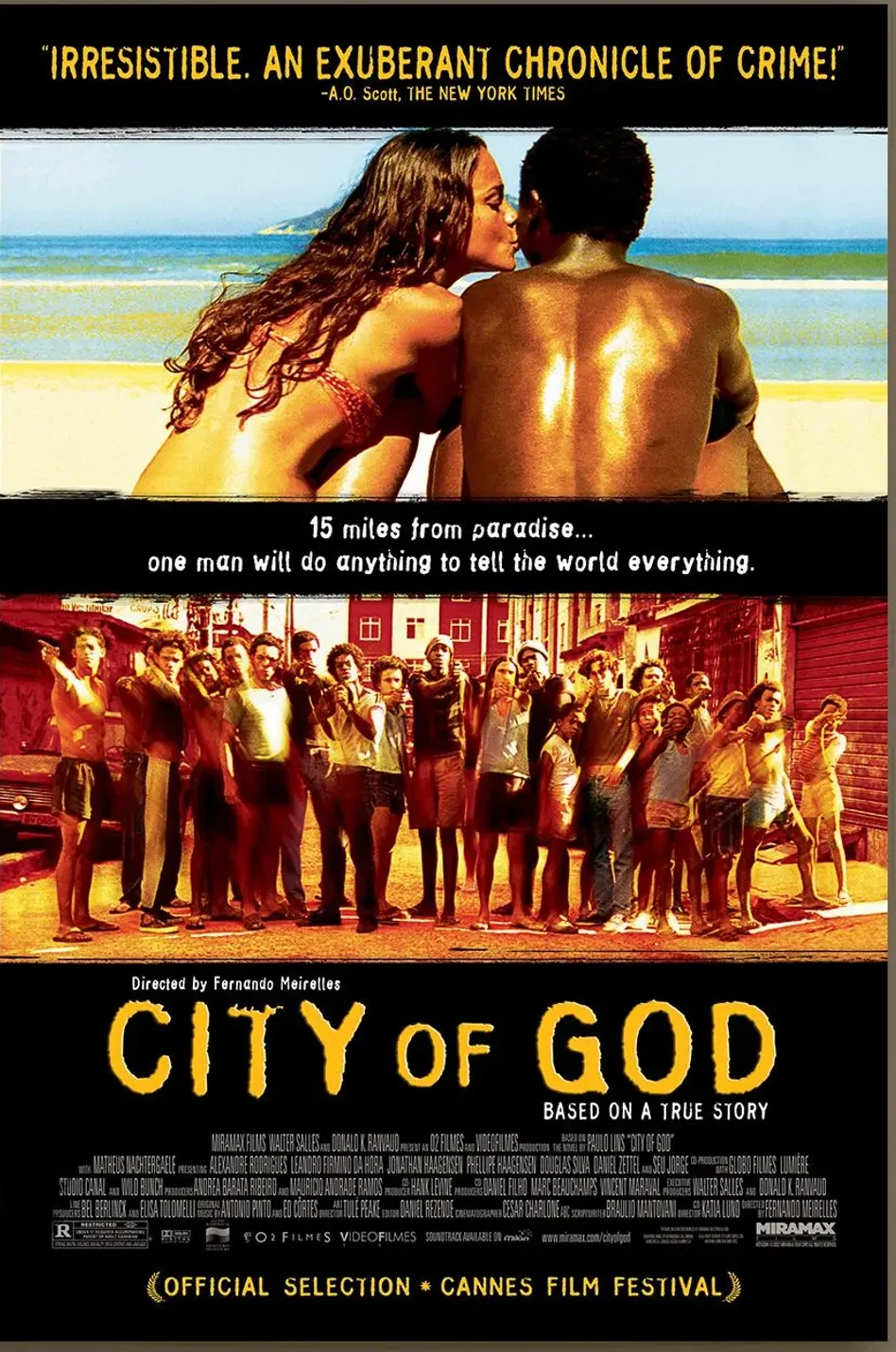
CITY OF GOD (Cidade de Deus, 2002)
Directed by Fernando Meirelles and Kátia Lund and adapted from Paulo Lins’s novel, City of God traces roughly two decades in a planned housing project that hardened into one of Rio’s most notorious drug territories. Narrated by Rocket, an aspiring photographer, the film follows the divergent paths of childhood friends as petty theft gives way to organized trafficking. Its kinetic editing, saturated color, and use of non-professional actors from the actual community produce a visceral sense of place; the favela itself feels like a character that grows denser, more armed, and more closed with every year. Central themes are the waste of lives under structural neglect, the cycle in which each generation inherits the previous one’s wars, and the narrow corridors of choice available when police are corrupt and legitimate opportunity scarce. The tagline—“If you run, the beast catches you; if you stay, the beast eats you”—captures the film’s fatalistic yet clear-eyed view. Internationally acclaimed and Oscar-nominated, it remains the defining cinematic image of the favela, even while some residents argue it flattened a more complex social fabric into pure spectacle.Amp.theguardian
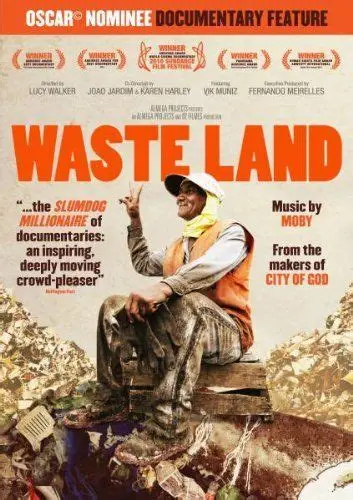
Waste Land (Lixo Extraordinário, 2010)
Lucy Walker’s Oscar-nominated documentary follows Brazilian-born artist Vik Muniz as he collaborates with catadores—recyclable-material pickers—at Jardim Gramacho, once the world’s largest landfill on the outskirts of Rio. Many of the workers live in or near favelas; their labor is the unglamorous underside of urban consumption. Muniz photographs the pickers, then works with them to recreate their portraits as large-scale mosaics made from the garbage itself. Proceeds from the resulting art return to the pickers’ cooperative, funding education, equipment, and a library. The film refuses easy uplift; it documents exhaustion, injury, and stigma alongside humor, dignity, and organizational skill. By treating discarded materials and discarded people as sources of beauty and value, Waste Land expands the favela conversation beyond guns and gangs to questions of labor, environmental justice, and the transformative potential of recognition. Its visual inventiveness—monumental trash portraits—makes the invisible labor of the periphery suddenly luminous.PBS
Brazilian cinema has long used the favela as both
setting and subject, turning hillside communities of
Rio de Janeiro into cinematic laboratories for questions of poverty, violence, agency, and survival.
I was always enamored with Brazilian movies. The first movie I remember watching was THE CITY OF GOD.
FAVELA RISING (2005)
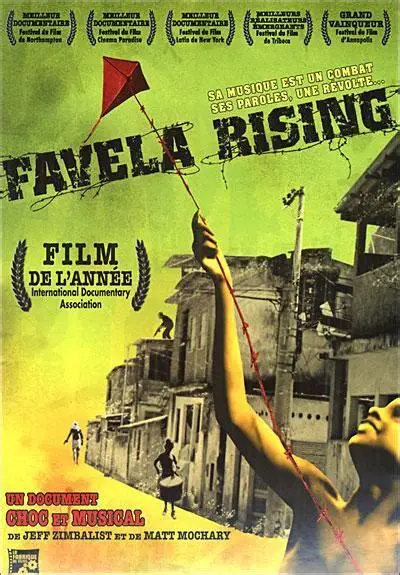
This documentary by Jeff Zimbalist and Matt Mochary centers on Anderson Sá, a former trafficker in the Vigário Geral favela who, after a 1993 police massacre that killed friends and family, co-founded the AfroReggae cultural movement. Beginning as a newspaper and expanding into percussion workshops, dance, hip-hop, and community programs, AfroReggae offered youth an alternative to gang recruitment. The film is candid about the daily soundtrack of gunfire and the distrust of both traffickers and police, yet it foregrounds music and collective discipline as practical tools of survival and self-esteem. Sá’s own recovery from a near-fatal accident becomes a personal mirror of the community’s attempt to rise. While some critics note its focus on a charismatic leader rather than broader grassroots voices, the film remains a vital counter-narrative: it shows the favela not only as a site of predation but as a place capable of generating its own cultural resistance and institutions. Short-listed for an Oscar and awarded at multiple festivals, it stands as one of the most hopeful portraits of favela agency.Wikipedia
QUILOMBO (1984)
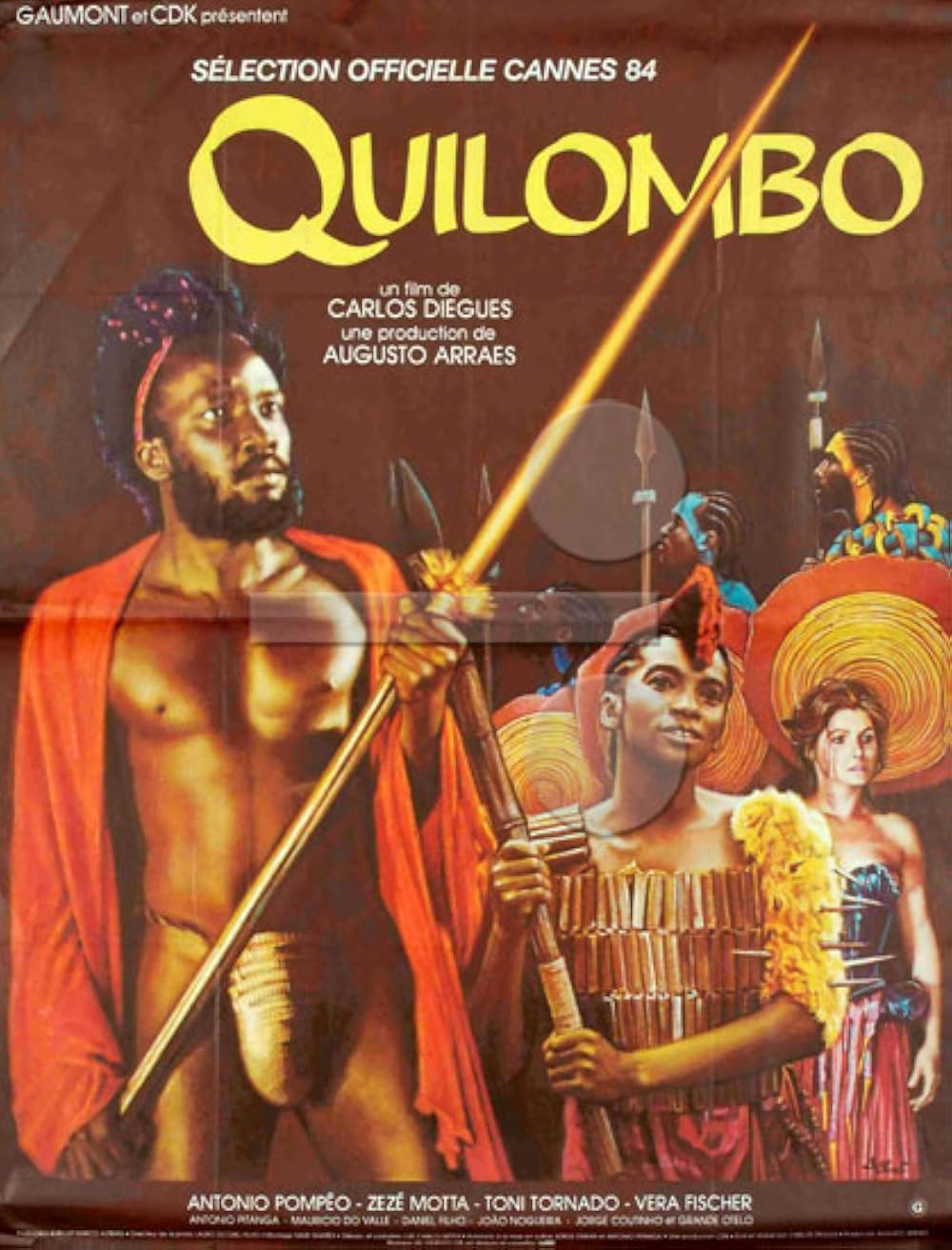
Watch the Quilombo movie. You will not regeret it!
I remember seeing Quilombo at the Brazilian Film Fesitval back in the 80s.
What a povwerful story!
What a freedom fighter!
Carlos Diegues’s Quilombo dramatizes the rise and fall of the Quilombo dos Palmares, the largest and longest-lived community of escaped enslaved Africans in colonial Brazil. Set in the mid-17th century in the mountains of Pernambuco, the film follows plantation slaves who rebel and join an existing free settlement led by the seer Acotirene. She anoints the warrior Ganga Zumba as king; under his rule the community expands, absorbs other outcasts (including Indigenous people and Europeans), and successfully resists Portuguese military expeditions for decades. The later arrival of Zumbi, a warrior who rejects compromise, hardens the resistance until the final Portuguese assault. Diegues blends historical events with myth, Afro-Brazilian spiritual practice, and exuberant visual and musical invention, treating Palmares less as a pure documentary reconstruction than as a living symbol of autonomy, African cultural continuity, and the right to self-governance. Battle sequences sit alongside ritual, dance, and communal life, creating a film that is at once epic, sensual, and politically charged. Nominated for the Palme d’Or, it remains one of the most ambitious Brazilian attempts to reclaim the history of Black resistance from colonial narratives.