Samba Rise
Jair Rodrigues de Oliveira
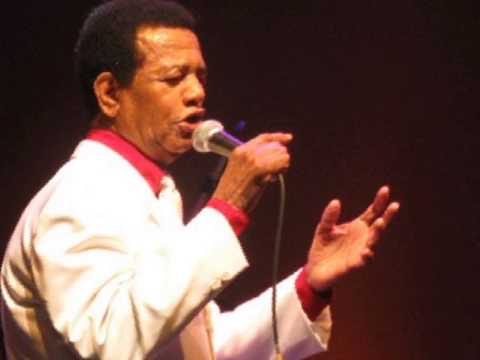
Jair Rodrigues was a Brazilian singer celebrated for his powerful voice, stage energy, and versatility across samba, MPB, bossa nova, and even early spoken-word styles. Born on February 6, 1939, in Igarapava, São Paulo, he grew up in the interior of the state and worked as a shoe-shiner, mechanic, and bricklayer before pursuing music full-time. He began as a crooner in nightclubs in São Carlos in the late 1950s and moved to São Paulo, where he won talent contests on radio and television.Wikipedia
His breakthrough came in 1964 with the album Vou de Samba com Você and the hit “Deixa Isso Pra Lá,” whose spoken verses and signature hand gestures led many to call him a precursor of Brazilian rap. The following year he partnered with Elis Regina on the landmark TV Record program O Fino da Bossa and the best-selling live albums Dois na Bossa. In 1966 he shared first place at the II Festival de Música Popular Brasileira with his interpretation of Geraldo Vandré and Théo de Barros’s “Disparada.”Globo
Over a career spanning more than fifty years and nearly fifty albums, he scored further successes with “Tristeza,” “O Menino da Porteira,” “Boi da Cara Preta,” and the Salgueiro samba-enredo “Festa para um Rei Negro.” He toured Europe, the United States, and Japan and remained known for his contagious smile and dynamic performances. Rodrigues died of a heart attack on May 8, 2014, in Cotia, São Paulo. He was the father of musicians Jair Oliveira and Luciana Mello.Wikipedia
His work endures as a bridge between classic samba and the broader popular music of the 1960s and 1970s.