Samba Rise
THE DIVINE VOICES OF THE FAVELA
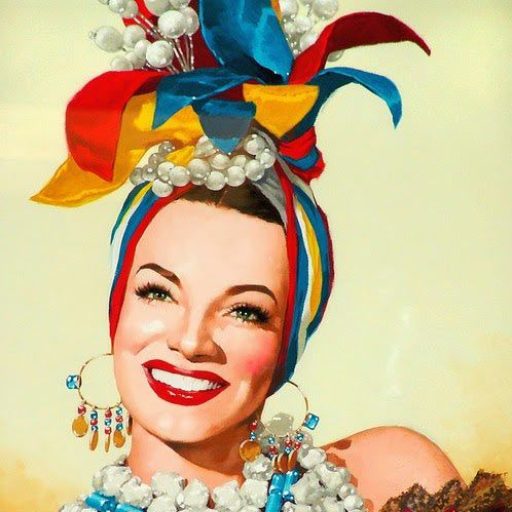
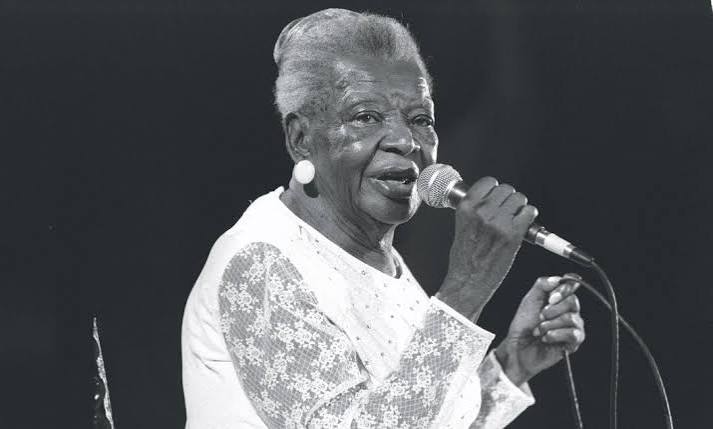
In the favelas and hills of Rio, where samba was born in the backyards and school yards of the morro, two voices rose above the rest and were treated as almost sacred. Cartola, the male poet of Mangueira, and Clementina de Jesus, the woman whose rough, ancestral tone carried the memory of Africa into the twentieth century, were each called, in their own way, the divine voice of the favela.
Angenor de Oliveira, known as Cartola, arrived on the Morro da Mangueira as a boy. He helped found the Estação Primeira de Mangueira in 1928, chose its green-and-pink colors, and composed many of its early sambas. Critics later gave him the nickname “Divino Cartola,” a playful fusion of his name with his own song “Divina Dama.” His voice was short and melancholy, the precise measure of beauty and pain. Songs such as “As Rosas Não Falam,” “O Mundo É Um Moinho,” and “Alvorada” turned the everyday life of the hill into lasting poetry. Even after years of poverty and near-obscurity, his late recordings in the 1970s confirmed what the morro had always known: he was the voice that spoke for Mangueira and, by extension, for the favela itself.
Their paths crossed in the same circles. Both appeared in the cultural ferment around Zicartola and the Rosa de Ouro shows. Clementina’s style was inherited by Jovelina Pérola Negra, the “mother of pagode,” who also worked as a domestic before her rough, joyful voice carried the same favela truth into the 1980s. Together, Cartola’s refined melancholy and Clementina’s ancestral force defined what the divine voice of the favela sounded like: not polished for the South Zone, but rough, proud, and rooted in the hill. They proved that the highest art of samba did not come from the salon. It came from the morro, sung by people who had washed clothes, mixed cement, and still made music that the whole country now treats as sacred.
CARTOLA
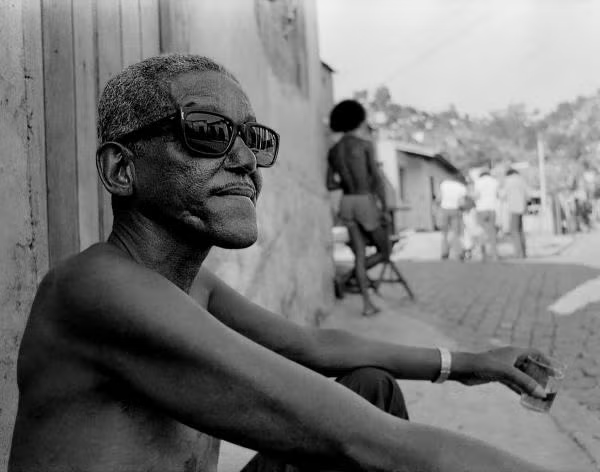
Angenor de Oliveira, known as Cartola, arrived on the Morro da Mangueira as a boy. He helped found the Estação Primeira de Mangueira in 1928, chose its green-and-pink colors, and composed many of its early sambas. Critics later gave him the nickname “Divino Cartola,” a playful fusion of his name with his own song “Divina Dama.” His voice was short and melancholy, the precise measure of beauty and pain. Songs such as “As Rosas Não Falam,” “O Mundo É Um Moinho,” and “Alvorada” turned the everyday life of the hill into lasting poetry. Even after years of poverty and near-obscurity, his late recordings in the 1970s confirmed what the morro had always known: he was the voice that spoke for Mangueira and, by extension, for the favela itself.
Clementina de Jesus da Silva
“O Mundo é um Moinho” by Cartelo
It’s still early, love
You’ve barely begun to understand life
You’ve already announced the hour of departure
Without knowing which direction you’ll take
Pay attention, dear
Although I know that you’re settled
At every corner, a little bit of your life falls away
Soon you’ll no longer be what you were
Listen well, love
Pay attention, the world is a mill
It’ll grind your dreams, so petty
It’ll reduce your illusions to dust
Pay attention, dear
From each love you’ll only inherit cynicism
When you notice, you’ll be on the edge of the abyss
Abyss that you dug with your feet
It’s still early, love
You’ve barely begun to understand life
You’ve already announced the hour of departure
Without knowing which direction you’ll take
Pay attention, dear
Although I know that you’re settled
At every corner, a little bit of your life falls away
Soon you’ll no longer be what you were
Na Hora Na Sede by Clementina de Jesus”
Lá, laiá
Pois eu sou o seu copo d'água
Sou eu quem mato a sua sede
E dou alívio à sua mágoa
Na hora da sede você pensa em mim
Lá, laiá
Pois eu sou o seu copo d'água
Sou eu quem mato a sua sede
E dou alívio à sua mágoa
Você foge de mim
Eh, pra você eu só sirvo de água
Lá, laiá
Você vai, você vem
Você não me larga
Lá, laiá
Lá, laiá
Você vai, você vem
Você não me larga
Lá, laiá
Pois eu sou o seu copo d'água
Sou eu quem mato a sua sede
E dou alívio à sua mágoa
Lá, laiá
Sou eu quem mato a sua sede
E dou alívio à sua mágoa
Você foge de mim
Eh, pra você eu só sirvo de água
Lá, laiá
Você vai, você vem
Você não me larga
Lá, laiá
Mas se a fonte secar você se acaba
Lá, laiá
Você vai, você vem
Você não me larga
Lá, laiá
Mas se a fonte secar você se acaba
Lá, laiá