SAMBA RISE
Favela Music Styles
It was at the home of respected Black women (Casa de tias) who hosted gatherings where musicians, dancers, and storytellers met, that gave birth to Samba; giving Brazil one of its strongest musical roots, and the favelas kept that creative fire burning, remixing struggle, celebration, faith, street life, romance, protest, and pure dance-floor energy into new styles across every decade. Sources: UNESCO
The police frequently repressed these gatherings, viewing them as threats to public order. Yet repression only deepened the music’s association with defiance and communal solidarity. Far from the formal ballrooms of the elite
Samba became a way for favela residents to assert dignity, memory, and joy in the face of poverty and discrimination.
The deep roots begin before the word favela was even linked to a music scene, UNESCO explains that Samba de Roda developed in Bahia in the seventeenth century and drew heavily on the dances and cultural traditions of enslaved Africans, later influencing the urban samba that became a symbol of Brazilian identity in the twentieth century. IPHAN also notes that samba de roda carries Afro-Brazilian and diasporic traditions and remains a major cultural reference in Bahia. So the story of favela music starts with Black cultural survival, long before the first MC picked up a microphone.
Sources: UNESCO
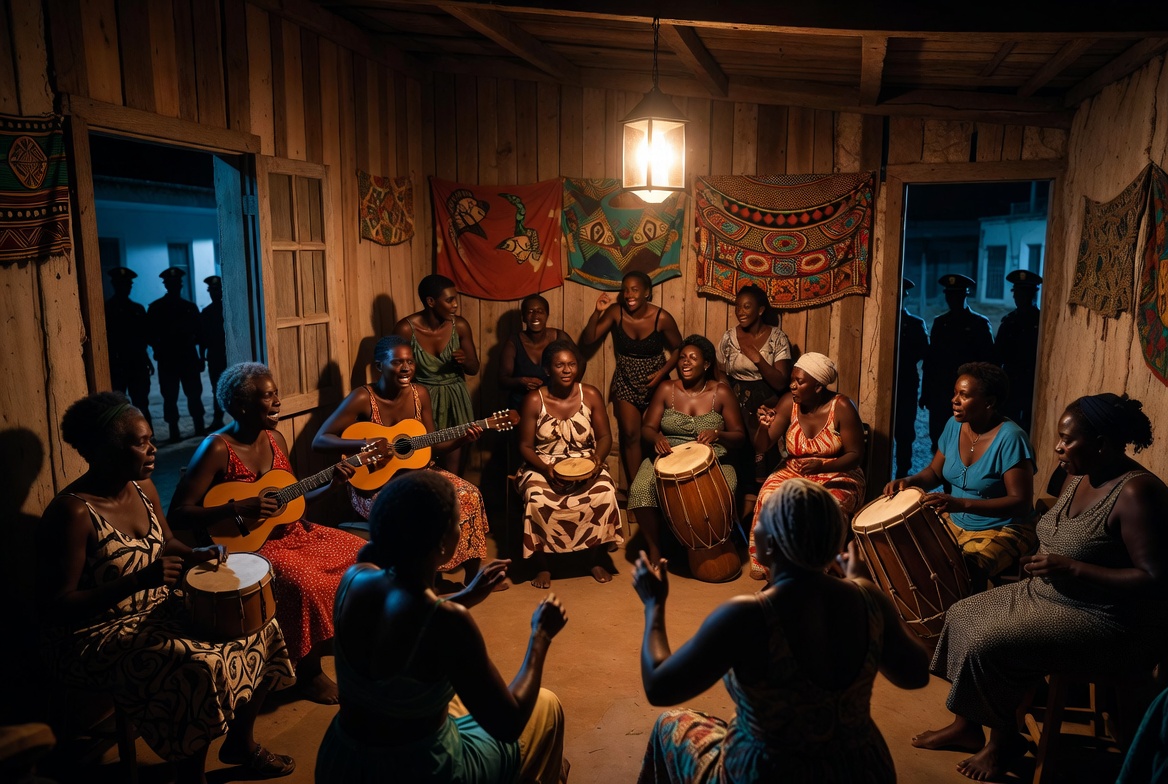
The first recorded samba, “Pelo Telefone” (1917), is credited to Donga and Mauro de Almeida, but its true gestation occurred in the casas de tias.
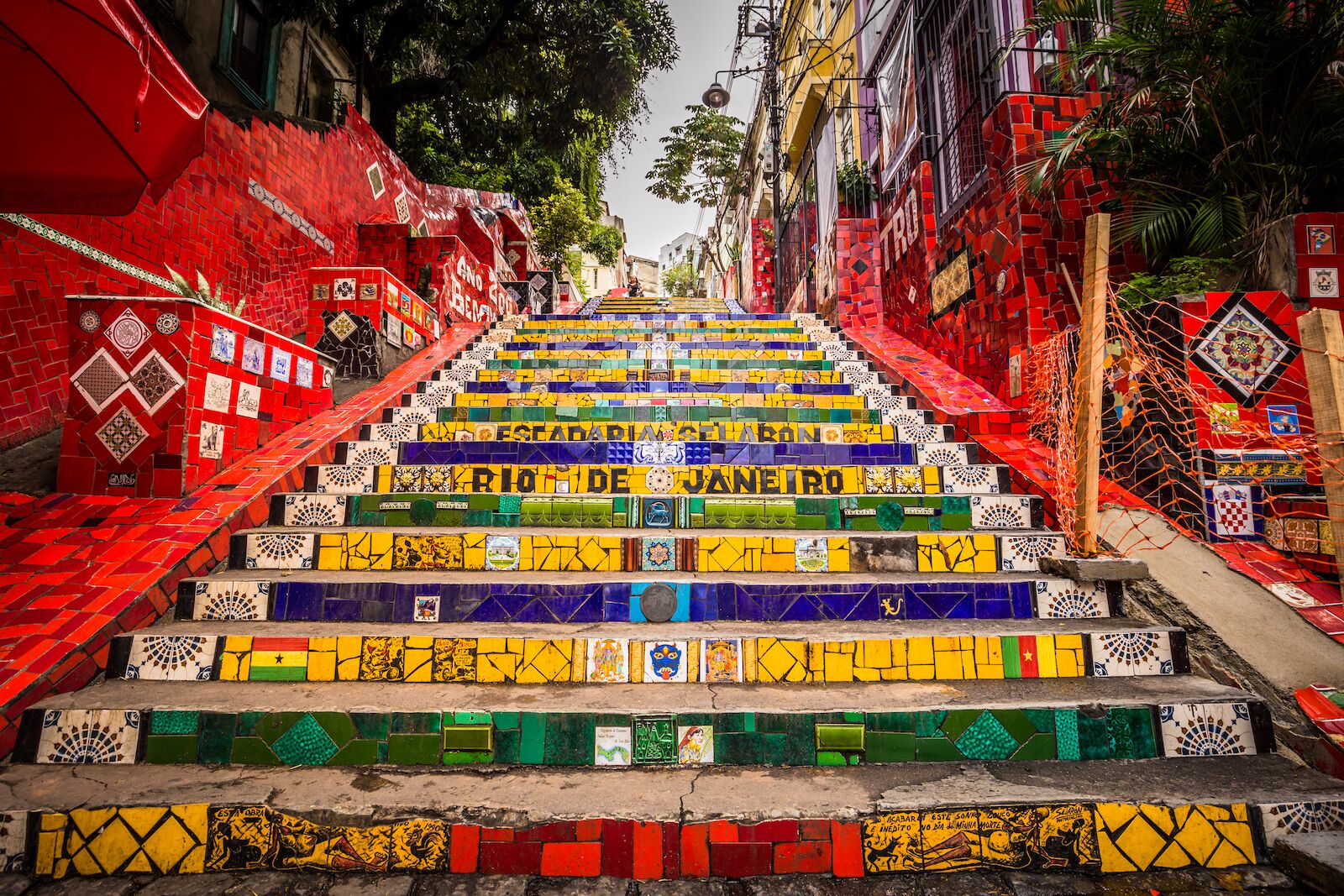
SAMBA MUSIC BEGINNING TO NOW
In the 1910s and 1920s, migrants from Bahia carried samba practices into Rio de Janeiro, where they mixed with local rhythms, carnival culture, percussion circles, and urban Black social life. That transfer mattered hugely because it connected Afro-Brazilian musical memory to the growing communities living in Rio’s hills and poor neighborhoods. This was the era when samba was becoming a city sound, even while elites often treated it with suspicion. A lot of great Brazilian culture begins exactly that way: first rejected, then celebrated, then sold on a T-shirt. Sources: UNESCO
By the 1930s, samba was rising through radio, recordings, and carnival, but its heart still beat in poor Black communities, backyard gatherings, and neighborhood rodas. Favela and suburban musicians were central to building the sound of urban Brazil, even if they were not always given equal visibility or money. This decade helped establish samba as both popular entertainment and a language of everyday life, with themes of love, hardship, work, humor, and survival. Sources: Fundação Joaquim Nabuco
The 1940s kept samba strong through radio orchestras, samba schools, and neighborhood composers, while the hills and suburbs continued producing the pulse behind the polished national image. If the city center got the spotlight, the communities got the rehearsal room, the writing room, and frankly most of the soul. This was also the period when samba’s many branches deepened, from terreiro traditions to carnival forms that would later be recognized as cultural heritage.
In the 1950s, urban popular music in Rio became more diverse, but samba remained the main musical voice tied to working-class identity. The favela experience was not yet being marketed as a genre, yet it was shaping who played, danced, wrote, and performed. Local gatherings, rodas, bloco culture, and samba school life kept music rooted in collective participation. That participatory spirit would become one of the strongest threads connecting old samba circles to later baile funk culture.
The 1960s brought another key shift. In the United States, funk emerged through artists like James Brown, and those Black musical currents later reached Brazil. SECEC-RJ says funk was launched through Black American music and began winning over Rio dance spaces in later years. This matters because favela music history is not isolated; it constantly absorbs global Black sounds and remakes them locally. Brazil did not just copy these influences. It translated them into its own body language, slang, percussion sense, and neighborhood politics.
In the 1970s, Black music dances in Rio became essential. SECEC-RJ states that by the end of the 1960s and into the 1970s, the style was circulating in Rio through Black music culture, with dance parties becoming major urban meeting points. Caminhos Languages adds that in the late 1970s, Brazilian audiences were hearing funk, soul, and R&B, while party scenes in Rio’s favelas and suburbs were developing around DJs and sound systems. This decade planted the seeds of what would become baile funk culture.
The 1980s were the true launchpad for funk carioca as a recognizably local genre. SECEC-RJ says the period saw the rise of bailes in Brazil and the influence of Miami Bass and freestyle. Caminhos Languages notes that DJ Marlboro helped bring Miami Bass into Rio, where local DJs fused it with rap and hip-hop elements. This is the decade when the favela sound system became more than a party machine. It became a platform for local identity, neighborhood fame, and youth expression
In the 1990s, funk carioca exploded as the voice of favela youth. Lyrics often addressed life in the communities, violence, police abuse, civil rights, romance, and everyday hustle. SECEC-RJ highlights the rise of funk melody and conscious funk in this era, while Caminhos points to socially rooted lyrics in late 1980s and early 1990s Rio scenes. This decade is crucial because it showed that favela music could be joyful and political at the same time. One track could make you dance and think, which is honestly a pretty efficient use of three minutes. Also in the 1990s, pagode became a huge force in popular urban Brazil, especially through groups and singers linked to suburban and working-class communities. While pagode is not identical to favela music, it became part of the same wider ecosystem of music made in and for the people, built around groove, chorus, percussion, and storytelling. In many neighborhoods, samba, pagode, and funk did not compete as much as they coexisted. One uncle played pagode at the barbecue, the kids blasted funk outside, and everybody somehow survived the argument over volume.
The 2000s pushed favela music into the national mainstream. SECEC-RJ says funk, once restricted largely to bailes and peripheral spaces, gained radio play and wider popularity across Brazil in this period. Hits spread from community parties to TV, clubs, schoolyards, and car stereos everywhere. This mainstreaming changed the economics of the genre too, creating bigger opportunities for MCs, DJs, producers, and dancers, even while prejudice against funk and favela culture remained strong. The 2000s also multiplied funk substyles. Funk melody kept a softer, romantic line. Proibidão pushed explicit and often controversial lyrical territory. In São Paulo, funk ostentação grew around luxury imagery, money, cars, and status, as Caminhos Languages notes. Favela music was no longer one lane. It had become a full highway, sometimes emotional, sometimes aggressive, sometimes playful, and sometimes impossible to classify without starting a very dramatic online debate. Sources: Caminhos Languages ; SECEC-RJ
In the 2010s, favela music became digitally unstoppable. Streaming, YouTube, and social media allowed MCs and dancers to build audiences without waiting for traditional media approval. SECEC-RJ points to the consolidation of funk in Brazil during this decade, while Caminhos notes that artists started adding a more pop feel to the sound. The result was crossover success: songs from the favelas reached global playlists, and performers from humble origins became major stars. Sources: SECEC-RJ ; Caminhos Languages The 2010s also elevated dance as a major cultural export. Passinho, viral choreography, street battles, and dance crews turned movement into a language of recognition and pride. Even when mainstream audiences focused only on catchy hooks, the communities knew the full package included style, local slang, social codes, aesthetics, and body expression. Favela music was never only audio. It was visual, social, territorial, and collective. Sources: SECEC-RJ http://cultura.rj.gov.br/funk-o-beat-que-atravessou-geraco/ ; UNESCO https://ich.unesco.org/en/RL/samba-de-roda-of-the-reconcavo-of-bahia-00101
The 2020s, up to 2026, have continued that expansion. Funk remains the most visible favela-born genre internationally, but the broader ecosystem keeps evolving through trap-funk hybrids, mandelão, pop-funk, brega-funk connections, and collaborations with rap, electronic music, and global pop. At the same time, samba circles, pagode scenes, and community-based musical traditions remain alive, proving that favela music is not about replacing the old with the new. It is about stacking generations of sound on top of each other like speakers at a baile. Sources: Caminhos Languages
A major truth across all decades is that prejudice followed success. UNESCO warns that mass media and competition from contemporary music have sometimes undervalued older samba traditions, and funk has often been stigmatized because of class and race bias. Yet these genres survive because communities keep transmitting them in parties, family networks, informal education, religious spaces, rehearsal yards, and local celebrations. Favela music wins because it is useful. It helps people dance, mourn, flirt, resist, remember, and dream bigger than their postal code. Sources: UNESCO
Another reason this music matters is inspiration. So many of the biggest names in samba, pagode, and funk came from communities with limited resources but limitless creativity. Their stories remind visitors that cultural power does not ask permission from wealth. A beat can come from a laptop, a tamborim, a backyard roda, or a borrowed microphone, and still shake the whole country. If your audience loves inspirational stories about favela music, this may be the emotional center of the page: adversity shaped the artists, but it never contained them. Sources: IPHAN
USA Address:
2787 East Oakland Park Blvd Suite 307
Fort Lauderdale Fl. 33306
"Copyright" 2023 Paul Calvenzani
"All Rights Reserved"